
How to hire a children’s book illustrator (what first-time authors need to know)
Hiring a children’s book illustrator means finding someone who can turn your story into characters and scenes, then keep those characters looking the same from page 1 to page 32.
And the files have to be ready for print.
Table of Contents
Start with a finished manuscript
Finish your manuscript before you contact anyone.
It doesn’t need typesetting. But the story, the characters, the key scenes, and the ending should be settled, so the illustrator knows what they’re signing up for.
A finished manuscript also makes quoting easier. The artist can count scenes and see how complicated the environments get.
Know what kind of book you’re making
A rough idea of the art direction is enough. Just know what you’re making.
A picture book for toddlers? A story with animals? A fantasy adventure? A quiet bedtime story? A coloring book? An activity book? Each one needs different visual storytelling, and the illustrator should be able to read your manuscript and see which.
Style matters too. Watercolor, digital painting, cartoon, colored pencil, textured collage, or something you saw once and can’t shake.
Check the portfolio for sequences
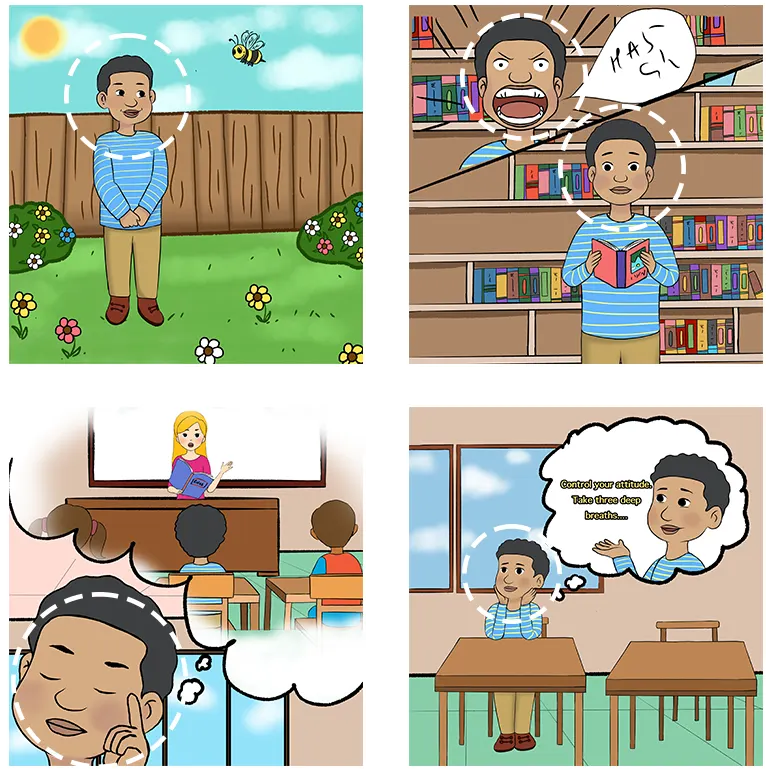
I see first-time authors make this mistake more than any other. They fall for one beautiful illustration, hire the artist, and expect every page to look like it.
Look for sequences instead. Find several pages from the same book. Is the main character’s face still recognizable on page 5 and page 25? Do the proportions hold? Does the clothing make sense from scene to scene?
Then check the backgrounds. Can the artist keep a scene simple when the story calls for it? Can they handle a busy one?
Children’s book illustration is sequential work. 20 pages make one visual world, and the portfolio should show the artist can build it. That’s a far better test than their strongest image.
For consistent characters throughout your book, explore our Children’s Book Character Design service.
Why a good illustrator can still produce the wrong book
Plenty of talented illustrators will be wrong for your story.
One paints detailed scenes with dramatic lighting. Another uses simple shapes, expressive characters, and lots of open space. Both produce beautiful work. Only one suits your book.
A quiet bedtime story for toddlers wants a calmer, simpler look. A fantasy adventure for older kids can carry more detail and drama.
Your own expectations matter as well. Some authors have a clear picture of their characters, scenes, and mood. Others want the illustrator to interpret the story and bring ideas of their own. Both work. Find an illustrator whose thinking matches the way you want to collaborate.
If you’re looking for an illustrator for your picture book who can match your story’s age, mood, and visual style, you can explore children’s picture book illustration service.
Settle the publishing requirements first
Tell your illustrator where you plan to publish. KDP? IngramSpark? Both? Somewhere else?
Pick one platform, then lock the trim size, bleed, and margins to match. Changing trim size, bleed, composition, or text placement late means redrawing, and redrawing costs money.
Your illustrator should know the specs of the final files. The publishing work itself can sit with someone else.
If Amazon KDP is your publishing platform, it’s worth understanding its basic requirements before you start. This guide to self-publishing a children’s book on Amazon KDP covers the key details authors should know.
What experienced Illustrators Do Before They Start
Most authors only see the sketch, color, and final stages. The planning happens earlier, and it prevents the most expensive problems.
- Plan the page count. Front matter, the title page, and endpapers eat pages, so a 32-page book has fewer story pages than you’d expect.
- Thumbnail the whole book. Small rough layouts show where a page turn should build surprise and where it should give the reader a calm moment.
- Reserve space for text. Decide where the words sit and keep key details out of the gutter.
- Build character sheets. Turnarounds, expressions, and a locked color palette keep the character consistent.
- Mark single pages and spreads. This changes the look of the book and the budget.
Expert note: Most big problems start with decisions made before any final art exists. A good illustrator asks about these early. If yours doesn’t, ask them.
Questions to ask before you hire an illustrator
Skip the 30-question interview. Ask the ones that touch your money and your final book:
- Have you illustrated a complete children’s book before?
- Can I see several pages from the same book?
- How do you keep characters consistent?
- Will I approve character designs before the full illustrations?
- What is included in the quote?
- How many revision rounds are included?
- What files will I receive at the end?
- Who owns the artwork, and what usage rights do I receive?
- What is the expected timeline?
- Have you prepared files for KDP, IngramSpark, or my chosen printer?
Pay attention to how they communicate
A children’s book takes months. You’ll review sketches, answer questions, request changes, approve characters, and stare at page after page of artwork.
So watch how the illustrator communicates before you hire them.
- Do they understand your questions?
- Do they ask about the story?
- Do they explain their process clearly?
- Do they reply when they say they will?
Those answers tell you whether they belong on the project.
Compare quotes by scope
This is where first-time authors get confused.
One quote says $X per page and another says $Y. The cheaper one might cost you more.
Ask what each quote covers. Character design? Full backgrounds? Covers? Sketch revisions? Color revisions? Formatting? Print-ready files? Source files? Commercial usage or copyright transfer?
Online pricing guides show a very wide range for children’s book illustration, so a single “average price” tells you little without the project scope.
A $200 illustration and a $200 project are different things.
Ask this: “What exactly will I receive for this price?” Then compare the answers.
Because illustration costs vary so much depending on what’s included, it can help to compare children’s book illustrator rates and use the price calculator to get a rough idea of what different project scopes may cost.
Per-page or flat fee: where each model backfires
No single payment model wins. The right one depends on the shape of your book.
- Per-page pricing: Works for simple books with one or two characters and light backgrounds. Gets expensive with double-page spreads or crowded scenes.
- Flat project fee: Fixed budget. Before signing, ask what counts as a “page” and whether a spread counts as one or two.
- Studio: Useful for a series that needs speed. The risk is style drift when different artists work on different books.
- Cheap rate with extras: Check whether the cover, backgrounds, and revision rounds are billed separately.
- Paid vs free character trial: A small paid trial usually gets more attention than a free one, because the artist isn’t working on speculation.
Quick guide:
- Short book, simple scenes: per-page or flat fee
- Many spreads or detailed scenes: flat fee
- Planning 3 or more books: ask about a series rate or a consistent studio team
If you prefer a predictable budget, Children Book Art offers a flat-fee approach to children’s book illustration, so you can understand the project cost upfront instead of tracking every page separately.
Who owns the character after the book is out
Most authors ask about usage rights and stop. Ask what you can do with the characters once the book is published.
- Copyright transfer: You own the artwork fully.
- Exclusive license: Only you can use it, but the illustrator still owns it.
- Non-exclusive license: The illustrator can reuse or license the same artwork to others.
For more information about U.S. copyright law and copyright protection for creative works, you can read the Copyright Law of the United States on Wikipedia.
Settle these before work starts
- Can you use the character in a sequel, plush toys, animation, or school merchandise?
- What happens if the illustrator is unavailable for book 2?
- Which promo and portfolio rights does the illustrator keep? Showing the work in a portfolio is normal.
- Can the illustrator reuse the character design for other clients?
- Does the contract say anything about AI training on the artwork?
Contract checklist
- Rights type is written down, not assumed
- Merchandise and adaptation rights are named
- Exclusivity is clear
- Sequel terms are agreed
- Payment terms and rights transfer are linked
The book and the character can carry different rights, and the gap usually shows up years later. If the contract is high stakes, have a lawyer read it.
A simple test
Once you’ve picked an illustrator, take one small step before committing to the full project. Ask them to create your main character.
That shows how well they understand your story. You see how they read the character’s personality, look, and overall feel, with no full illustration required.
If the character design feels right, you’re probably ready to move forward with the full book.
If you want to try this approach, Children Book Art offers a character design test drive so you can see how your main character looks before committing to the full book.
Five assumptions that cost first-time authors money
A few ideas sound reasonable when you’re hiring your first illustrator. Plenty of them fall apart in practice.
What authors assume | What actually happens |
“The best illustrator has the prettiest portfolio.” | A beautiful portfolio says little about whether someone can hold characters, pacing, and consistency across a whole book. |
“The cheapest quote saves me money.” | A low quote gets expensive when key work, revisions, or production requirements are left out. |
“If I pay for the artwork, I own everything.” | Payment and intellectual property rights are separate questions. The agreement settles the second one. |
“The illustrator should draw exactly what I describe.” | Illustration involves composition, visual storytelling, pacing, and interpretation. A good illustrator may improve your idea. |
“I’ll figure out the publishing specs later.” | Late changes to trim size, bleed, composition, or text placement mean rework. |
Six more assumptions, even after reading the advice
| What authors assume | What actually happens | What to do |
|---|---|---|
| “A 32-page book needs 32 illustrations.” | Front matter and spreads change the count. Many books use fewer illustrated spreads than authors expect. | Ask for a page plan before the quote. |
| “More illustrations make a better book.” | Pacing and white space matter. Crowded pages tire young readers. | Let the story decide where art goes. |
| “The illustrator will fix my weak pacing.” | Illustration supports the story. It can’t repair the structure. | Finish and test the manuscript first. |
| “Unlimited revisions if I stay polite.” | Every project needs a limit or it never ends. | Agree on revision stages in writing. |
| “AI-assisted art is the same as hand-made art.” | Originality, rights, and platform disclosure rules can differ. | Ask how the art is made and check current KDP and IngramSpark policies. |
| “Ebook art will work for print.” | Print needs higher resolution, bleed, and the right color setup. | Tell the illustrator about print and ebook plans early. |
What happens when the illustration process goes wrong
| Problem | What usually causes it | What it affects | How to cut the risk |
|---|---|---|---|
| Character inconsistency | No approved character design | The entire book | Approve the main characters first |
| Repeated redraws | Story or scene changes after final artwork | Budget and timeline | Lock the manuscript before production |
| Endless revisions | No clear approval stages | Project completion | Define when a sketch or page counts as approved |
| Weak page flow | Pages reviewed individually | Overall storytelling | Review spreads and sequences together |
| Text doesn’t fit | Composition ignores text placement | Layout and readability | Plan text areas during sketching |
| Production problems | Trim, bleed, or file requirements considered too late | Final files | Confirm publishing specs before artwork |
For authors planning a series: create a clear character and style reference
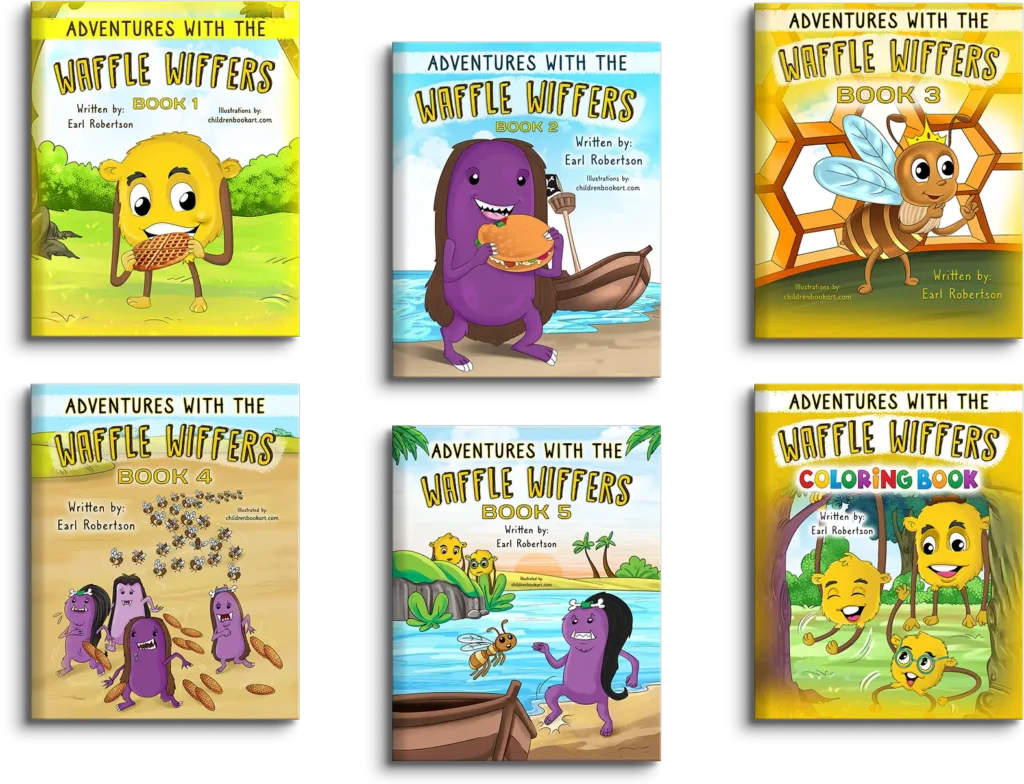
This section is for authors who know the basics and want books 2, 3, and 4 to match book 1. Consistency across books is a system you build.
Define your characters
- Turnarounds from front, side, and back
- Expression sheet
- Proportions and height compared with other characters
- Signature props and clothing details
Style guide
- Color palette with exact values
- Line weight and texture approach
- Rules for backgrounds and lighting
Style guide
- Keep layered source files, fonts, and print specs for each trim size
- Write the guide so a second illustrator could match the style if the first is unavailable
- Plan how assets get reused across paperback, hardcover, ebook, and activity-book spin-offs
Checklist before book 2
- Character bible finished
- Style guide finished
- Source files archived
- Rights for sequels confirmed
- Print specs saved per format
Conclusion: How to hire a children’s book illustrator
Hiring the right children’s book illustrator can make a big difference in bringing your story to life. Review their portfolio, discuss your vision, confirm the timeline, pricing, revisions, and usage rights before making your decision. The right illustrator will not only create beautiful artwork but also understand your story and help turn your ideas into illustrations children will love.
Ready to Bring Your Story to Life?
Your story deserves an illustrator who understands the heart behind it. Hire a children’s book illustrator at Children Book Art and bring your characters to life with artwork drawn by a real human artist.